.webp)
.webp)


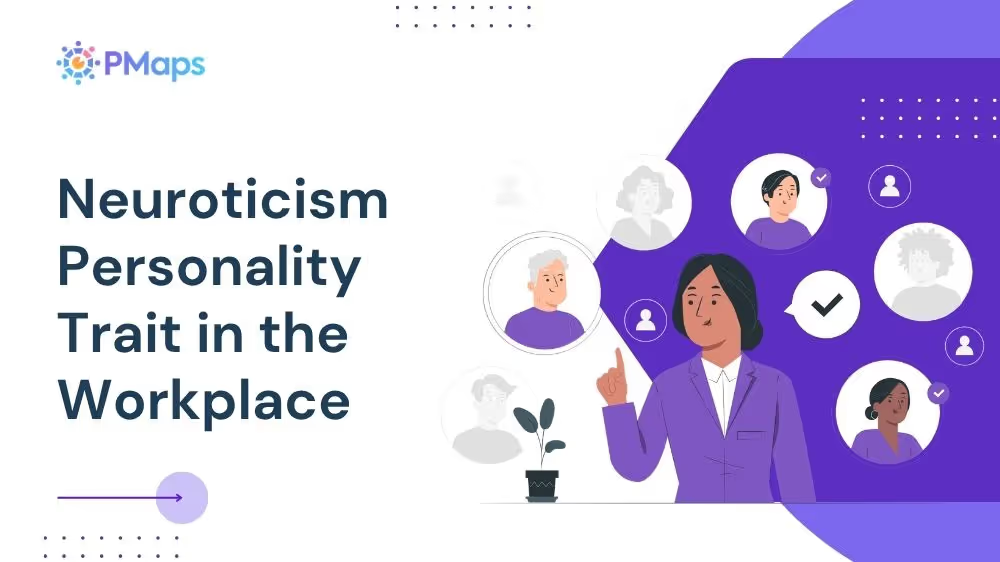
Neuroticism is one of the five personality traits in OCEAN, marked by a chronic tendency toward negative emotions such as anxiety, depression, and emotional instability. Individuals high in neuroticism find ordinary situations stressful and struggle with self-doubt; those low in the trait are generally calm and even-tempered.
The neuroticism trait measures emotional responses that strongly influence how people perform in high-pressure workplaces. Within the Big Five framework, it works alongside Extraversion, which shapes social response under pressure, and Conscientiousness, which influences control and discipline during stress. TI reports that higher neuroticism increases workplace stress and reduces performance, with emotional instability causing up to 25% variation in job effectiveness. This makes it a strong indicator of resilience and decision-making patterns.
PMaps Big 5 Personality Test also assesses emotional stability by measuring how neurotic someone is when hiring or managing team members.
Core Emotional Patterns
To understand neuroticism in the Big Five personality model, it helps to look at the emotional patterns that shape this trait in both personal and work settings.
- Anxiety: Often feeling worried or nervous, especially when things are uncertain or stressful.
- Mood fluctuations: Emotions can change quickly, often due to stress or certain thoughts.
- Irritability: Being easily upset by small things, which can lead to frustration or strong feelings.
- Self-doubt: Often doubting your choices or skills can lower confidence and affect how you work.
Neuroticism in the Big Five (OCEAN Model) and Other Traits
In the Big Five OCEAN model, neuroticism concerns how people manage their emotions. It affects how someone handles stress, risk, and uncertainty, which in turn shapes their behavior and decisions at work.
Neuroticism vs Emotional Stability Scale
The neuroticism-emotional stability scale shows two sides of the same trait. People with high neuroticism tend to react more emotionally and feel stress more easily, while those with low neuroticism are usually calmer and more resilient. Knowing where someone falls on this scale can help organizations understand how well they handle pressure at work.
You might also want to look into emotional intelligence tests. These can help you find people who handle stress well, even if they score higher on neuroticism.
Neuroticism vs Resilience
Neuroticism is about how sensitive someone is to emotions, while resilience is about how quickly they bounce back from stress.
- Neuroticism: Tendency to react strongly to stress and emotional triggers.
- Resilience: Ability to recover quickly from setbacks and maintain stability.
Neuroticism vs Anxiety
Neuroticism and anxiety are connected, but they are not the same thing. Neuroticism is a personality trait, while anxiety is a feeling that comes up in certain situations.
- Neuroticism: Broad personality trait influencing overall emotional patterns.
- Anxiety: Situational emotional response triggered by specific stressors.
Signs of Neuroticism in the Workplace and Its Impact
Today, understanding neuroticism at work is important for predicting how people will react emotionally and how teams will function. More companies now look at this trait to help balance performance, resilience, and employee well-being.
Low Neuroticism Employee Traits
Employees with low neuroticism tend to be emotionally stable, calm, and resilient when under pressure. They usually have a positive effect on their teams and help with good decision-making.
- Emotionally stable under stress: They stay calm in stressful situations, which helps them perform consistently.
- Confident decision-making: They face challenges with a clear mind and less self-doubt.
- Resilient mindset: They bounce back quickly from setbacks and keep their focus on long-term goals.
- Balanced emotional responses: They avoid extreme reactions, which helps keep team interactions steady.
High Neuroticism Workplace Challenges
People with high levels of neuroticism may face challenges at work, especially in fast-paced or unpredictable environments.
- Heightened stress response: They may react strongly to pressure, which can affect their focus and productivity.
- Emotional reactivity: Frequent mood changes can make it harder to interact smoothly with team members.
- Self-doubt and overthinking: They might question their decisions, which can slow down their work and lower their confidence.
- Sensitivity to feedback: Constructive feedback may sometimes feel like criticism to them.
How Neuroticism Affects Work Performance
Understanding how neuroticism affects work performance is important for effectively managing employees. By matching people's emotional traits with the right roles and team setups, organizations can help everyone work more productively.
Best Roles for High Neuroticism
- Quality assurance roles: These jobs need careful attention to detail and the ability to spot problems before they become bigger issues.
- Risk assessment and compliance: They benefit from careful thinking and being sensitive to possible threats or mistakes.
- Analytical roles: People in these roles can turn their tendency to overthink into strong skills for deep analysis and careful evaluation.
Where Moderate Neuroticism Can Help
- Client-facing roles: Being sensitive helps people understand clients' concerns and respond with empathy.
- Project coordination: Being aware of risks helps with better planning and the successful execution of projects.
- Team support roles: Understanding emotions can make it easier to work well with others and build good relationships on the team.
Low Neuroticism in Teams
- Leadership roles: These roles need people who can make calm decisions and manage their emotions when things are uncertain.
- Crisis management: They benefit from staying calm and being resilient when facing stressful situations.
- Operations roles: These jobs call for people who are consistent, reliable, and able to perform steadily over time.
Conclusion
Neuroticism has a big impact on how people handle emotions, recover from setbacks, and make decisions at work. Its interaction with Agreeableness, which affects conflict response, and Openness, which shapes adaptability to change, provides deeper context for role fit. By understanding these combined traits, organizations can match people to roles that fit their strengths and improve overall performance. If you want to see how talent mapping can improve your hiring process, call us at 8591320212 or email assessment@pmaps.in.


.avif)