.webp)
.webp)


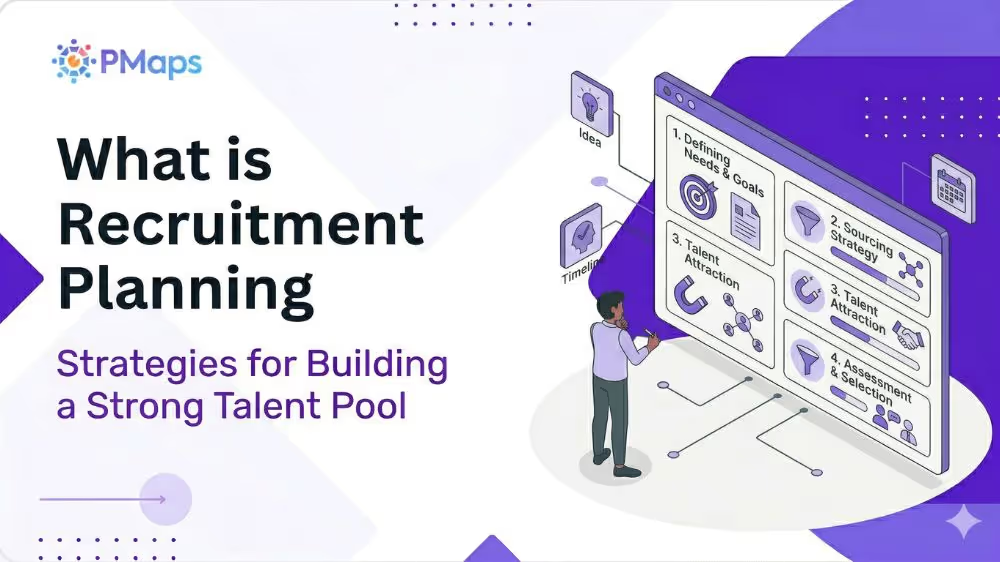
Good recruitment planning leads to better hiring results by focusing on clear strategies, organized steps, and smooth execution. Since 52% of recruiters say it is getting harder to find qualified candidates (LinkedIn), many organizations now use data-driven planning to create steady, high-quality hiring pipelines.
Key Components of a Recruitment Plan
A good recruitment plan explains how an organization finds, evaluates, and hires new employees. It uses clear steps, shared goals, and consistent practices to help teams hire the right people.
- Workforce Forecasting: Predicts future hiring needs accurately.
- Role Definition: Clarifies responsibilities and required skills.
- Sourcing Strategy: Selects channels for targeted outreach.
- Screening Criteria: Sets objective evaluation standards.
- Selection Process: Defines interviews and assessment methods.
- Onboarding Plan: Ensures smooth integration for new hires.
Steps to Build an Effective Recruitment Strategy
To build an effective recruitment strategy, start with a clear plan, make informed decisions, and review your process regularly. This approach helps your organization align hiring with business needs, close skill gaps, and establish a reliable plan for long-term success.
- Analyze Organizational Needs: Evaluate business goals and skill gaps to forecast future hires and ensure recruitment planning aligns with evolving workforce requirements.
- Review Previous Performance: Examine your time-to-hire, cost-per-hire, and hire quality to improve your recruitment strategy and address ongoing hiring process issues.
- Define Job Requirements: Write clear job descriptions and list essential and nice-to-have skills. This helps you create a more organized hiring plan.
- Market Research: Research salary trends and industry standards to offer competitive pay and attract and retain the best candidates.
- Develop a Strategy: Identify effective sourcing channels, outline selection steps, and create interview structures that support consistent recruitment plans.
- Create a Budget: Allocate resources for recruitment technology, job boards, employer branding, or agency partnerships to maintain hiring efficiency.
Benefits of Recruitment Plans
Good recruitment plans help companies hire more efficiently, find better candidates, and build a stable workforce over time. They give organizations clear steps to follow, make decisions more consistent, and help plan for future hiring needs.
1. Strategic Recruitment Plan
A strategic recruitment plan focuses on long-term hiring goals, workforce planning, and talent development. It helps the organization grow by ensuring recruitment aligns with the company’s main goals and future needs.
- It emphasizes long-term hiring goals and planning for future leadership.
- Benefits: Aligns talent acquisition with business growth and strategic initiatives.
2. Tactical Recruitment Plan
A tactical recruitment plan addresses immediate hiring needs for specific roles or short-term projects. It helps recruiters make quick decisions and respond fast to urgent staffing needs while still maintaining quality.
- This is a short-term plan for filling urgent job openings.
- Benefits: Provides quick solutions for urgent recruitment requirements.
3. Contingency Recruitment Plan
A contingency recruitment plan helps organizations prepare for unexpected staffing needs, such as sudden resignations, rapid growth, or workforce changes. It ensures hiring continues smoothly even when surprises arise.
- It prepares the company to handle urgent and unexpected hiring needs.
- Benefits: Ensures readiness for sudden staffing challenges.
Common Challenges in Recruitment Planning
Recruitment planning can be tough when job expectations change, there are fewer qualified candidates, or hiring decisions take too long. These issues make it harder to carry out recruitment strategies and can limit the success of even the best plans.
1. Unclear Role Specifications
When job requirements are unclear or change often, it becomes hard to attract the right candidates. This makes sourcing less effective and screening more complex, potentially leading to the hiring of people who do not fit the organization’s needs.
- Vague job roles make it harder to attract qualified candidates.
- Solution: Conduct thorough job analysis and maintain consistent specifications.
2. Limited Talent Pool
Relying only on traditional or narrow sourcing channels limits the talent pool. This reduces access to diverse, high-quality candidates and slows down recruitment for important roles.
- It is harder to find qualified candidates when sourcing methods are too limited.
- Solution: Expand channels through job boards, social media, and referrals.
3. Delayed Decision-Making
When hiring decisions are slow or inconsistent, recruitment planning suffers. This can cause candidates to drop out and makes it harder for the organization to hire top talent, especially in competitive markets where speed and clear communication matter.
- Delays in decision-making can cause the organization to lose strong candidates.
- Solution: Streamline approvals and align hiring managers with HR.
Conclusion
Good recruitment planning leads to better hiring results, helps teams work together, and supports clear decision-making. When organizations use structured strategies and plan ahead, they find better talent and work more efficiently. If you need customized assessment tools or help with recruitment, contact PMaps at 8591320212 or assessment@pmaps.in.