.webp)
.webp)


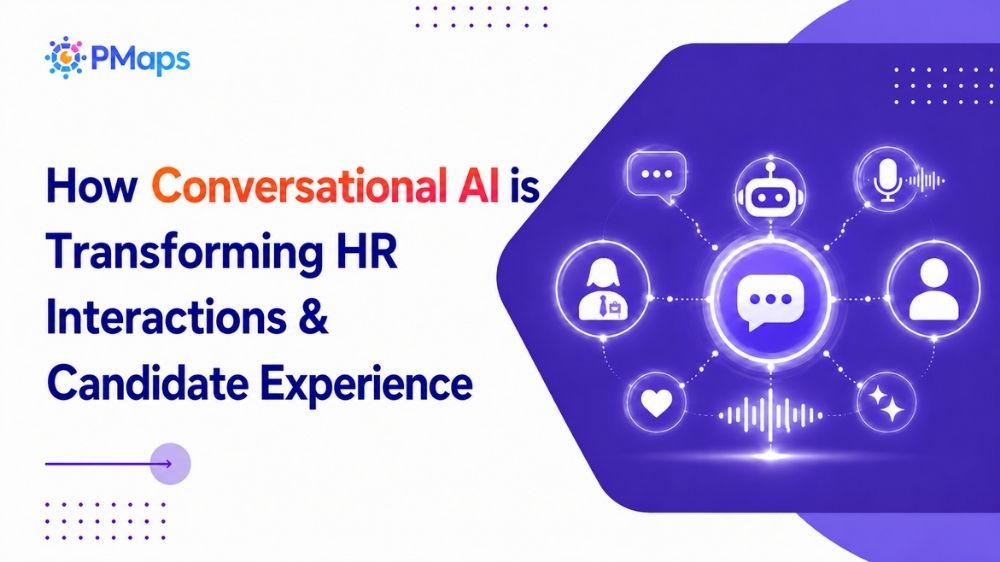
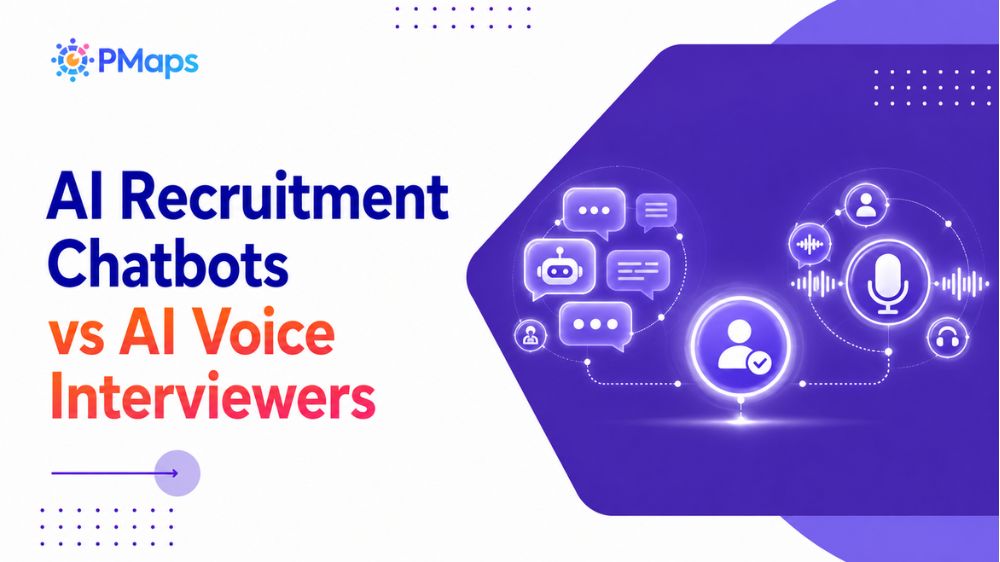
Conversational AI in hiring refers to the use of AI systems capable of natural, multi-turn dialogue to conduct, evaluate, or support interactions with candidates throughout the recruitment process. Unlike rule-based chatbots that follow fixed scripts, conversational AI adapts to what candidates say in real time—asking follow-up questions, handling unexpected responses, and generating structured outputs that hiring teams can act on. The distinction matters because it determines whether the AI is genuinely evaluating candidates or just collecting data from them.
Where Conversational AI Fits in the Hiring Process
Conversational AI is applied at multiple stages of recruitment, with meaningfully different functions at each point.
Candidate Engagement and Pre-Screening
At the top of the funnel, conversational AI handles initial candidate engagement—answering questions about the role, collecting basic eligibility information, and routing qualified applicants forward. This layer operates continuously, across time zones, without recruiter involvement. The value here is operational: reducing drop-off, accelerating first contact, and ensuring no qualified candidate waits days for a response.
Structured Voice Screening
One level deeper, conversational AI conducts spoken first-round screening interviews. A voice AI system calls or connects with candidates, runs a structured interview in natural spoken dialogue, assesses communication fluency, tone, and response quality, and delivers a scored output to the recruiter. For roles where communication is a core competency—call center, sales, customer service, BPO—this layer replaces the manual telephonic screen entirely. It scales to hundreds of candidates simultaneously and produces consistent, comparable results that a recruiter phone screen cannot replicate at volume.
Asynchronous Video Evaluation
In video interview formats, conversational AI evaluates recorded candidate responses against structured criteria—verbal content, speech patterns, response coherence, and in some platforms, engagement signals. Recruiters receive ranked outputs rather than raw footage, compressing the time between application and shortlist significantly.
Candidate Communication and Follow-Up
Throughout the pipeline, conversational AI manages status updates, scheduling confirmations, assessment reminders, and re-engagement nudges for candidates who haven't completed a step. This maintains candidate experience at scale without requiring recruiter bandwidth for routine communication.
What Conversational AI in Hiring Is Not
Conversational AI is not a replacement for human judgment in hiring decisions. It surfaces information, scores observable signals, and structures the evaluation process—but the decision to advance or reject a candidate should remain with the hiring team, informed by AI outputs rather than determined by them. The legal, ethical, and practical risks of fully automated hiring decisions are well-documented, and organizations deploying conversational AI effectively treat it as a decision-support layer, not an autonomous decision-maker.
What to Look for in a Conversational AI Hiring Tool
Not all platforms that market themselves as conversational AI deliver genuine dialogue capability. When evaluating options, the questions that matter most are whether the system adapts dynamically to candidate responses or follows a fixed script regardless of what's said; whether scoring logic is transparent and auditable; whether the candidate experience is genuinely conversational or obviously automated; and whether the outputs are structured enough to drive faster, more consistent shortlisting decisions. Platforms that score well on all four of these dimensions are meaningfully different from those that check only one or two.
PMaps' voice agent for interviewing conducts conversational, structured screening calls at scale and delivers scored results hiring teams can act on.


.webp)