.webp)
.webp)


How to predict and reduce frontline sales attrition
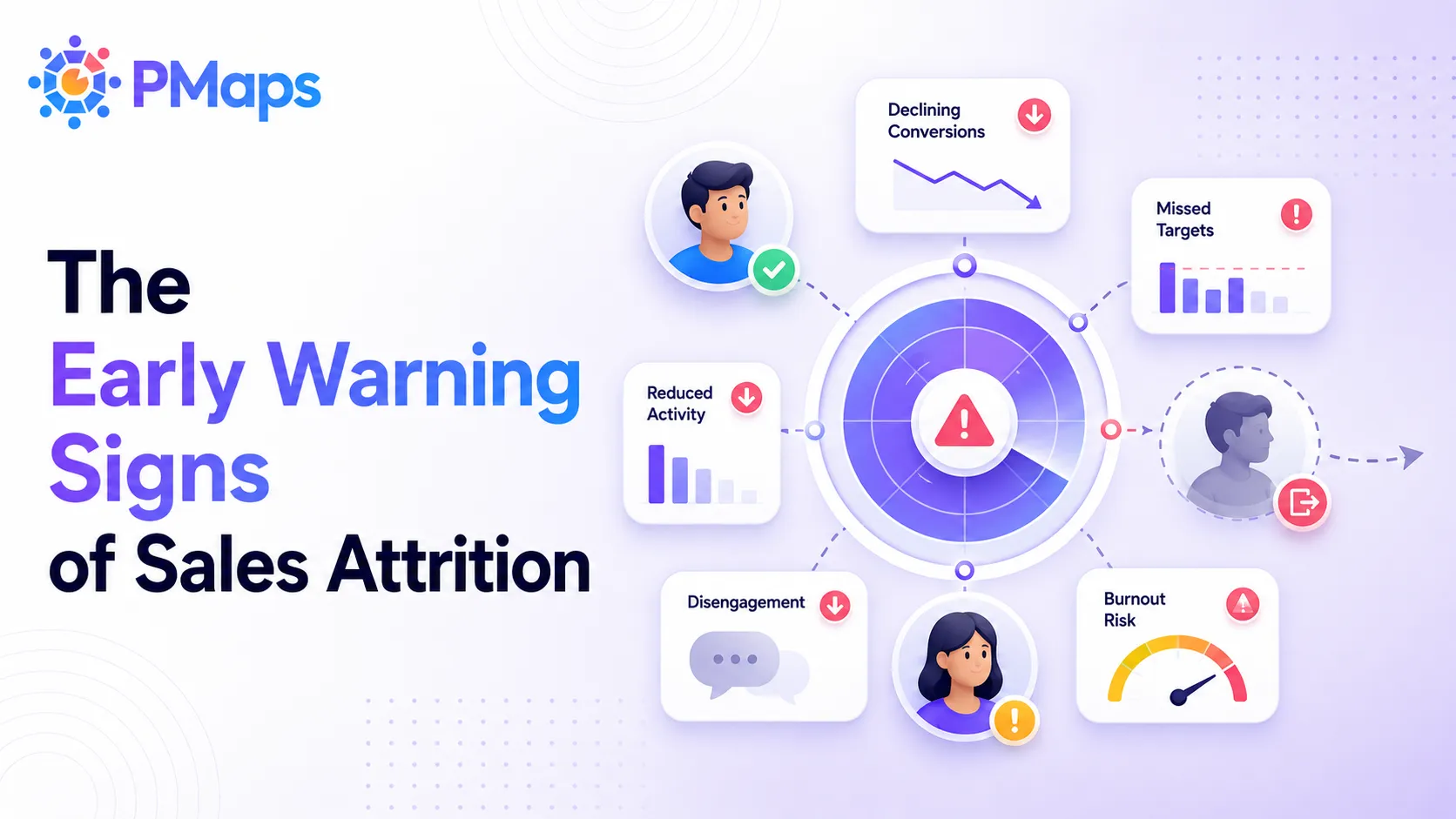
Frontline sales attrition is one of the most expensive problems in financial services, and one of the most under-managed. Teams hire telecallers and field agents at high volume, watch a large share leave within months, and treat the churn as a cost of doing business. But attrition isn't random. The same behavioral traits that make someone a strong frontline seller — drive, resilience, the ability to absorb rejection — are often the ones that keep them in the seat. Which means you can screen for retention at the same time you screen for performance.
This guide covers what really drives frontline attrition, whether a pre-hire assessment can predict who stays, and how to build hiring that holds onto people.
In short: Frontline sales attrition is driven largely by poor role fit, unrealistic expectations, and low resilience to rejection — not just pay. A validated pre-hire assessment can help predict who stays by screening for behavioral fit and resilience, the traits that correlate with both performance and tenure. Pair that with realistic job previews, source-level retention tracking, and supportive onboarding to keep people in the role longer.
The hidden cost of frontline attrition
Frontline BFSI roles share a hard profile: high volume, a young first-job workforce, and a job that involves constant rejection on call after call. Early attrition runs high, and each exit costs twice — once to recruit and onboard, again to replace and re-ramp. At scale, that churn quietly eats a large share of the talent budget and keeps teams permanently under-strength.
The frustrating part is that much of it is predictable. When attrition correlates with traits you can measure before hiring, it stops being a fixed cost and becomes a lever.
What actually drives frontline attrition
Pay matters, but it's rarely the whole story. The bigger, more controllable drivers are:
Each of these is visible — or at least flaggable — before the hire.
Can a pre-hire assessment predict who stays?
To a meaningful degree, yes. The traits that predict frontline performance overlap heavily with those that predict tenure. Drive, conscientiousness, and resilience show up in both. So an assessment validated to predict performance is often already pointing at retention as well.
The evidence shows up in the data. When PMaps validated a sales assessment for a leading BFSI lender, the cohort it helped select held a 79% retention rate over a full 12-month window — strong workforce continuity for a role with a reputation for churn. Screening on behavioral fit didn't just raise productivity; it correlated with people staying.
See the full study in the predictive validity case study.
How to hire for retention, not just skill
1. Validate against retention as an outcome
Treat retention as a business outcome worth validating against — not only productivity. Check whether assessment scores predict who's still in the seat at 90 days, 6 months, a year. (See how to validate a hiring assessment.)
2. Screen for behavioral fit and resilience
Weight your assessment toward the behavioral traits that predict both performance and tenure — drive, conscientiousness, adaptability, and the resilience to handle rejection. These do more for retention than any aptitude score.
3. Use realistic job previews
Let candidates see the real day-to-day before they accept — the volume of calls, the repetition, the rejection. Realistic expectations reduce early disillusionment and the attrition that follows. The right candidates self-select in; the wrong ones self-select out, before they cost you a hire.
4. Track retention by source
Some sourcing channels churn far more than others. Tag every hire by source and watch retention per channel, then rebalance toward channels that produce people who stay. (See how to measure sourcing quality with assessment data.)
5. Use onboarding to close gaps, not gate
Where a hire is strong on behavioral fit but light on a skill like communication, use onboarding to close the gap rather than rejecting them up front. Supported early, those hires often become your most loyal.
Measure it
Common mistakes
How PMaps helps
PMaps is an AI-powered talent assessment platform that helps enterprises improve their hiring odds — scientifically. By weighting assessments toward the behavioral traits that predict both performance and tenure, and validating scores against real outcomes, PMaps helps teams hire frontline people who perform and stay. Trusted by 200+ enterprise clients across 7 countries. [confirm current approved figures before publish]
Losing frontline hires too fast? Book a 30-minute walkthrough and we'll help you screen for retention, not just skill.