.webp)
.webp)


Understanding ‘How to Hire Accounting Clerk’ starts with protecting day-to-day financial accuracy. This role keeps invoices, entries, and reconciliations clean so month-end does not become damage control. A structured process makes Hiring a Accounting Clerk more reliable by testing attention to detail, spreadsheet discipline, and compliance habits before access to money systems is granted.
What is an Accounting Clerk?
An Accounting Clerk supports day-to-day finance operations by recording transactions, processing invoices, maintaining ledgers, and assisting with reconciliations. In smaller teams, they handle end-to-end entries. In larger organisations, they specialise by accounts payable, receivable, or documentation control.
Why hire an Accounting Clerk? The role protects accuracy, audit readiness, and month-end speed.
Quick tip: Publish a clear Accounting clerk job description that specifies systems, volume expectations, and reconciliation responsibility.
Where to Find the Best Accounting Clerk Candidates?
If you want to hire an Accounting Clerk who keeps ledgers clean and documentation audit-ready, source from environments where volume, accuracy, and deadlines are non-negotiable. The most reliable talent often comes from roles that already demand invoice discipline, reconciliation routines, and system-based posting. These channels make Hiring an Accounting Clerk faster because they surface proof of process habits, not just certificates.
- Accounts payable and receivable teams in shared service centres handling high invoice volume and strict cut-off cycles.
- Outsourced bookkeeping firms where clerks maintain client ledgers, manage documentation, and follow standard posting rules.
- ERP user communities and training cohorts for Tally, SAP, or Oracle where candidates practise real transaction workflows.
- Retail, logistics, and manufacturing back offices where clerks reconcile vendor statements and track GRN-invoice mismatches.
- Community college accounting programs with internship pipelines focused on invoicing, reconciliations, and compliance documentation.
How to Screen for Good Accounting Clerks?
Screening an Accounting Clerk should replicate daily finance hygiene: invoice capture, accurate coding, and clean reconciliation under deadlines. Strong candidates show discipline with documentation, follow approval rules, and catch mismatches before they hit month-end. This step in How to Hire Accounting Clerk talent helps you spot reliability, not just familiarity with tools.
- Use AI Recruit to shortlist candidates with invoice volume exposure, ledger posting, and reconciliation routines.
- Run a quick work-sample: code three invoices, flag missing GST/TDS fields, and draft a follow-up note.
- Use AI video interviewing for a mismatch scenario: vendor statement doesn’t match ledger, approvals are pending.
- Close with HR validation for integrity, compliance habits, and comfort working with strict cut-offs and checks.
How to Assess Skills of Accounting Clerks?
To hire an Accounting Clerk who keeps daily finance clean, assess how they work with imperfect inputs—missing invoices, wrong GST/TDS details, duplicate entries, and approval delays. Start with a short transaction pack and ask them to post entries, flag exceptions, and create a follow-up list. Then add a vendor statement mismatch and check whether they reconcile logically instead of guessing. Strong candidates show document discipline, consistent coding, and a habit of checking totals before posting. This is the most reliable step in How to Hire Accounting Clerk plans because it reveals accuracy under volume and whether they protect audit readiness. Hiring an Accounting Clerk becomes safer when assessments test both correctness and process compliance, not just “knowledge of accounts.”
Pro Tip: Use a role-based Accounting Clerk Test that covers invoice coding, reconciliation logic, and spreadsheet accuracy checks.
What Soft Skills are Important for Accounting Clerks?
Soft skills determine whether an accounting clerk communicates clearly with vendors and internal teams, resolves discrepancies calmly, and keeps day-to-day financial coordination accurate and professional.
- Ownership that closes open items instead of letting mismatches roll into the month-end.
- Clear written communication for follow-ups on missing documents, approvals, and payment holds.
- Calm under deadlines, especially during cut-offs and high-volume invoice cycles.
- Integrity with numbers and documents, including adherence to approval and audit rules.
Hard Skills of Accounting Clerks that You Must Test
Hard skills confirm whether the candidate can post entries accurately, follow accounting standards, and maintain records that remain audit-ready under routine checks and closing cycles.
- Invoice processing: correct coding, tax fields, PO matching, and approval workflow adherence.
- Reconciliation basics: vendor statements, GRN vs invoice checks, and variance identification.
- Excel proficiency: formulas, data cleaning, error checks, and structured trackers for pending items.
- Documentation control: filing discipline, supporting evidence, and clean narration for each transaction.
How to Interview an Accounting Clerk?
Interviewing an Accounting Clerk should replicate daily finance reality: incomplete invoices, approval delays, GST/TDS gaps, and a month-end cutoff that won’t move. Use one short work-sample during the interview: ask the candidate to code an invoice, flag missing fields, and write a vendor follow-up note. Then ask a reconciliation question using a vendor statement mismatch. This reveals accuracy, control habits, and whether they protect audit readiness or create cleanup work later.
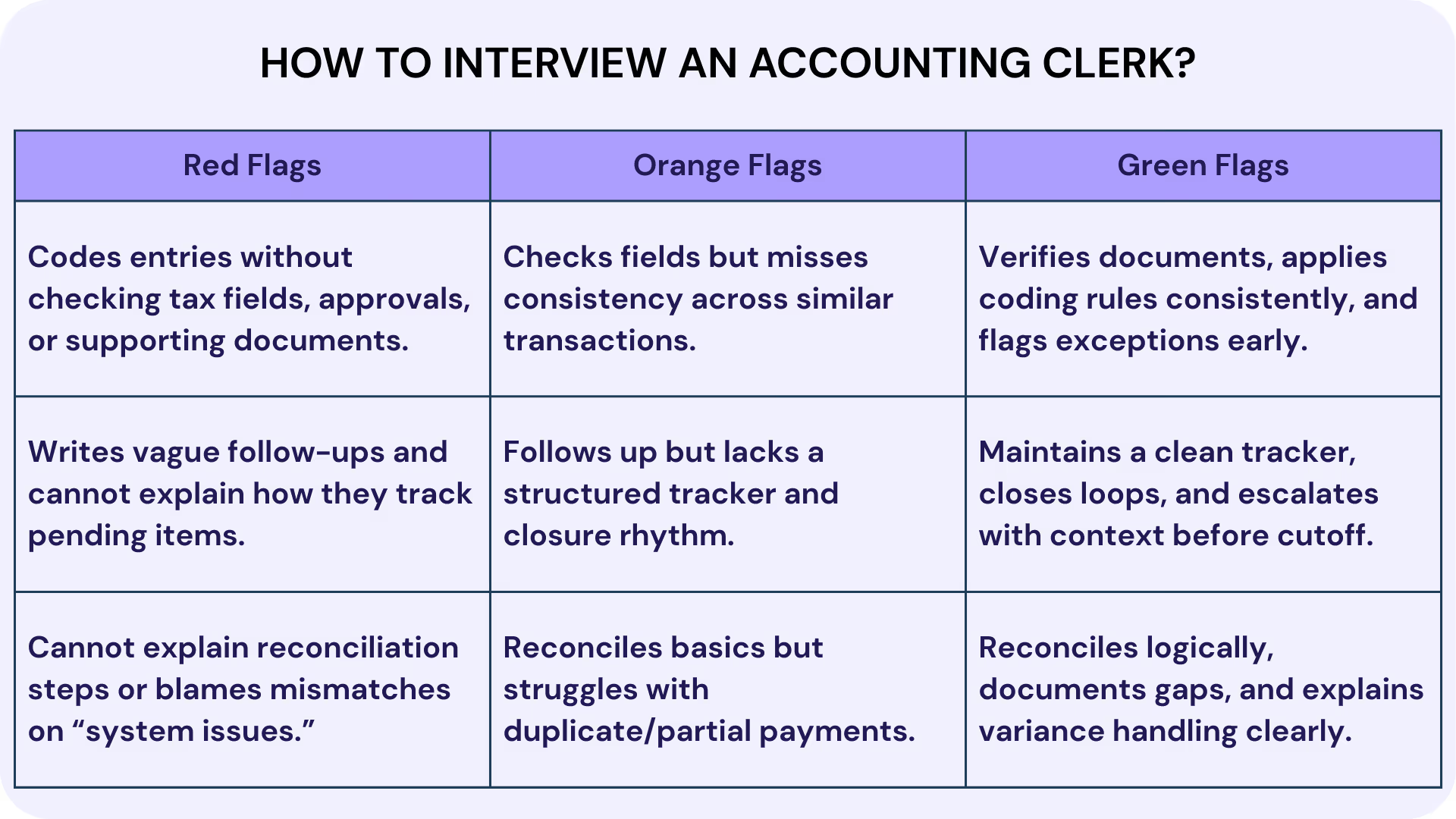
Bonus Resource: Use structured Accounting clerk interview questions to score invoice accuracy, reconciliation logic, and documentation discipline consistently.
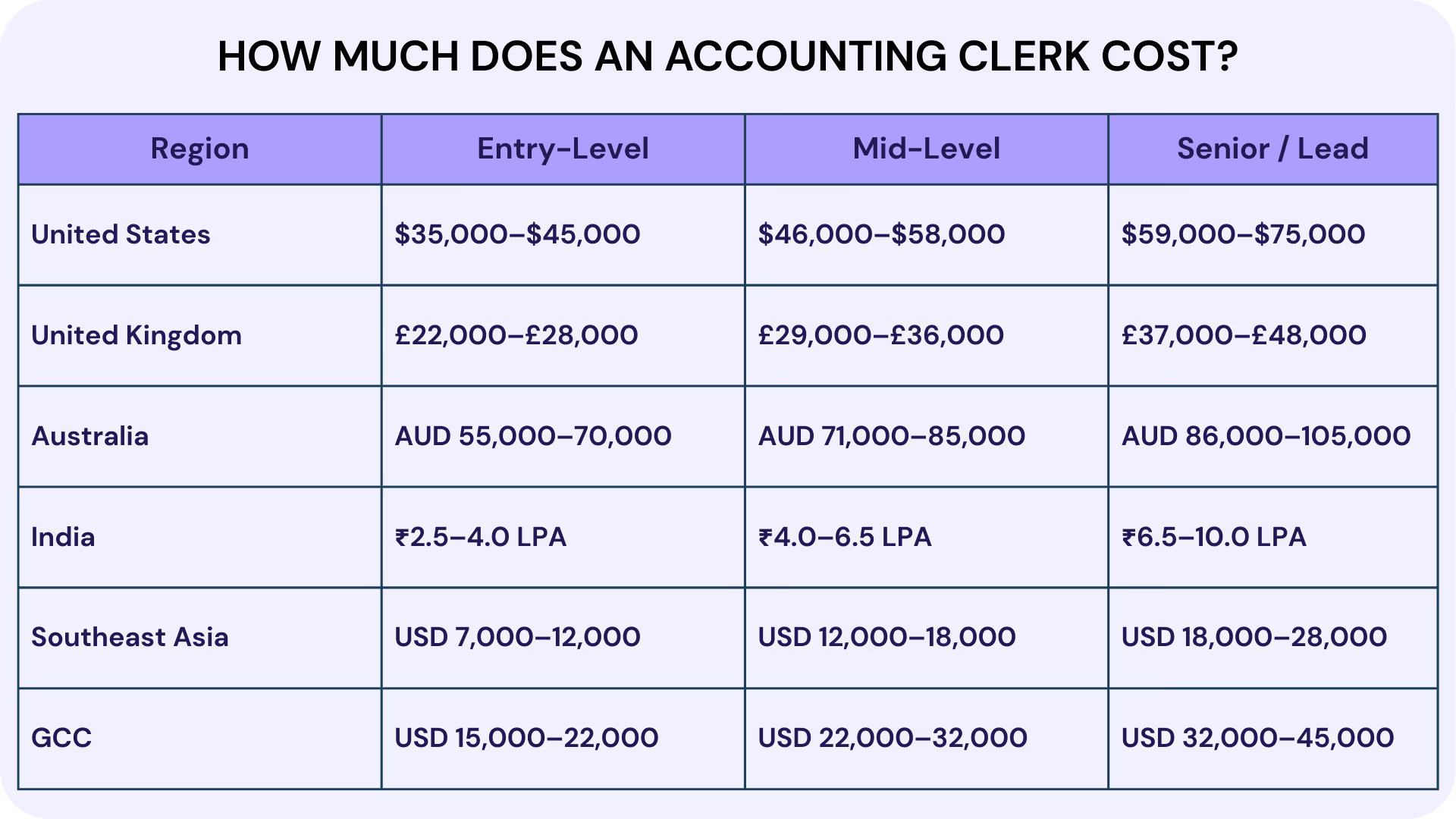
How Much Does an Accounting Clerk Cost?
Accounting Clerk pay depends on transaction volume, system complexity, and how much reconciliation and documentation control the role owns. Entry roles focus on invoice entry and basic ledger updates. Mid-level clerks manage AP/AR cycles and statement matching. Senior clerks support month-end cut-offs, audits, and exception handling when you hire an Accounting Clerk.
Conclusion
When you know how to hire Accounting Clerk talent, you can more objectively assess invoice accuracy, reconciliation logic, and documentation control before granting system access. Prioritizing clean process habits reduces month-end spillovers and audit risk. Contact PMaps at 8591320212 or assessment@pmaps.in for role-based assessments and custom screening support.