.webp)
.webp)



How to hire HR Manager talent matters because this role shapes workforce consistency every day. A capable manager supports compliance, manages employee concerns, and steadies teams through change. This guide explains a structured hiring approach that helps HR leaders identify managers who bring clarity, discipline, and sound judgment to operations.
What is an HR Manager?
An HR Manager oversees people operations, manages employee relations, and ensures policies are applied consistently across the organisation. Their role becomes essential when businesses depend on stable workforce practices, timely issue resolution, and reliable compliance routines. Strong HR Managers support teams, protect workplace standards, and guide leaders through daily people decisions.
Quick tip: Attract stronger applicants by writing a HR Manager job description that sets clear expectations for decision authority, people responsibilities, and daily operational ownership.
Where to Find the Best HR Manager Candidates?
Finding dependable HR Manager candidates requires sourcing channels that attract professionals experienced in people operations, employee relations, and compliance-based decision-making.
Strong profiles often come from organisations where HR teams manage structured policies, fast-paced workforce needs, and clear process ownership. Targeting these talent pools helps HR teams reach candidates who can manage daily people demands with steadiness.
- Professional HR job boards and HR-focused platforms
- LinkedIn groups for HR leaders and people operations specialists
- Internal promotions from senior HR executives or generalists
- Referrals from trusted managers across departments
- Talent platforms with HR operations and employee relations profiles
How to Screen for Good HR Manager Candidates?
Screening an HR Manager requires a structured sequence that highlights judgment, people-handling capability, and comfort with policy-driven work. A focused approach helps HR filter candidates who can manage employee issues, guide managers, and maintain consistency in daily HR tasks. Each step strengthens shortlist quality and reduces uncertainty during final selection.
- AI resume parsing and outreach using AI Recruit to filter HR operations experience
- Skills assessment focused on employee relations, policy application, and case handling
- AI video interviewing to evaluate communication clarity and conflict-resolution style
- Taking the final call through HR-led review of cultural fit and decision approach
How to Assess Skills of HR Managers?
Assessing HR Managers requires a structured approach that reveals how they manage employee issues, interpret policies, and guide managers through people decisions. The assessment should highlight their judgment during sensitive situations, their ability to maintain fairness, and their capacity to keep teams aligned with organisational expectations. A well-structured evaluation brings clarity to their readiness for daily HR responsibilities.
What Soft Skills Are Important for HR Managers?
Soft skills shape how HR Managers build trust, guide teams, and maintain composure during employee concerns or policy discussions. These behaviours influence day-to-day stability.
- Clear communication with employees and managers
- Calm handling of sensitive conversations
- Fair and transparent decision approach
- Ability to guide managers with confidence
- Strong follow-through on commitments
Hard Skills of HR Managers That You Must Test
Hard skills define how well a candidate manages documentation, policies, and operational HR tasks that influence compliance and accuracy.
- Policy interpretation and application
- Employee relations case handling
- Performance review process knowledge
- HRIS and documentation familiarity
- Understanding of compliance requirements
Pro Tip: Use a structured HR manager skills test to evaluate judgment, case-handling approach, and policy awareness consistently.
How to Interview an HR Manager?
Interviewing an HR Manager requires questions that reveal how candidates guide managers, handle employee concerns, and interpret policies during routine and sensitive situations. Use scenario-based prompts to understand their reasoning, communication steadiness, and comfort with conflict. A structured table helps HR leaders evaluate whether the candidate can balance fairness with organisational expectations and maintain consistency across people's decisions.
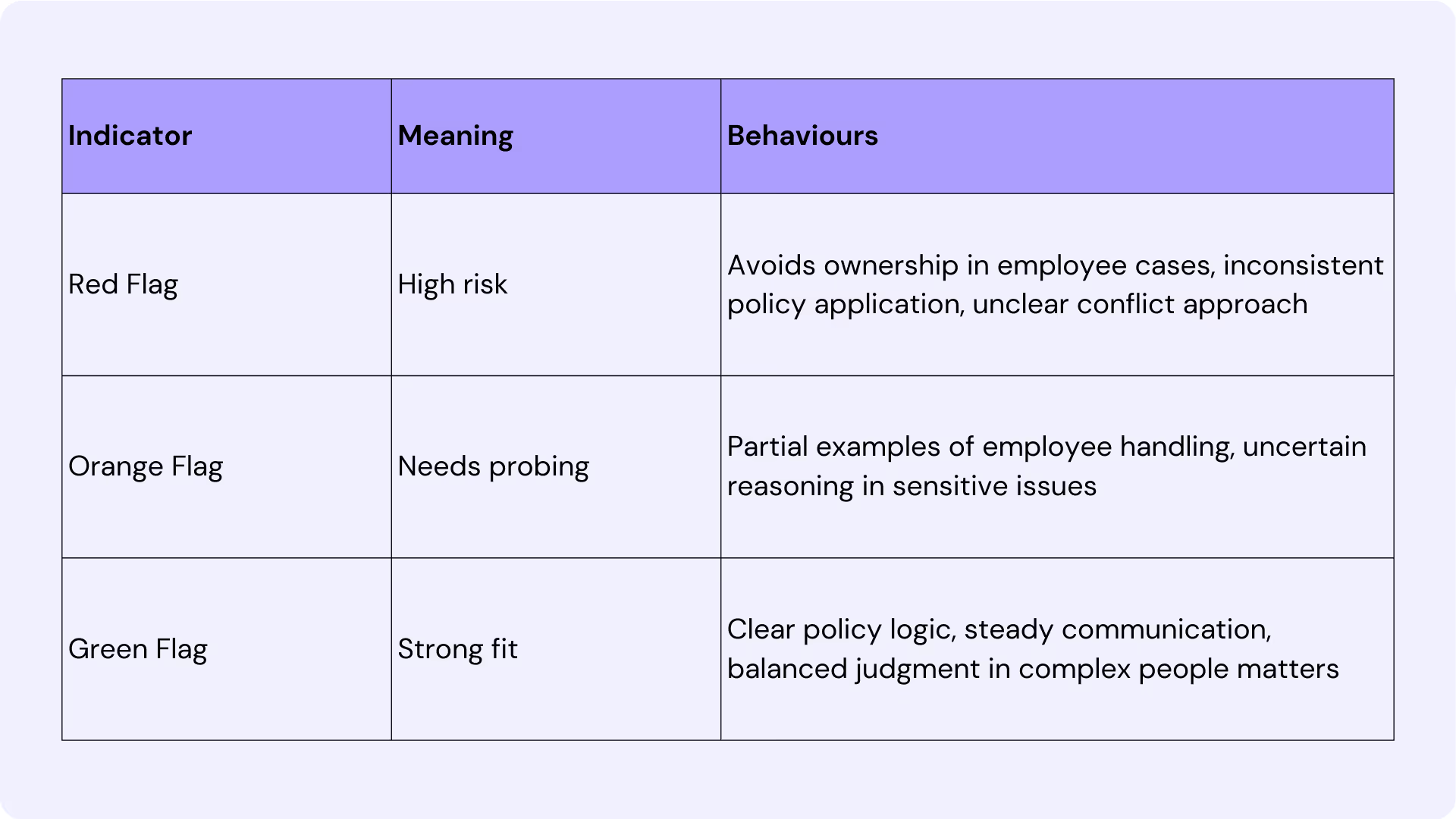
Bonus Resources: Use targeted HR Manager interview questions that reveal how candidates think when people's decisions require calm, timely judgment.
How Much Does an HR Manager Cost?
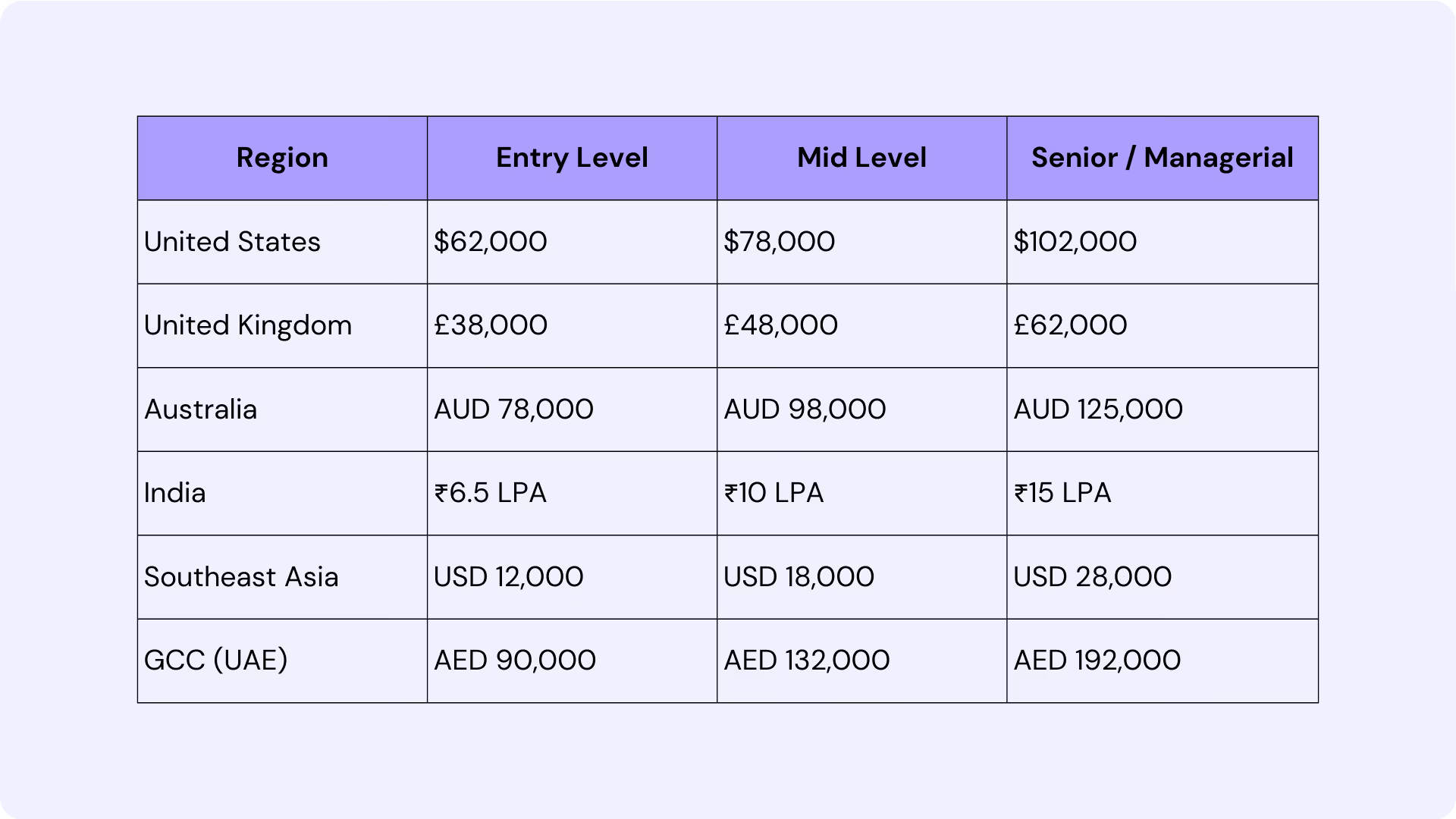
Budgeting for an HR Manager requires understanding how compensation shifts across regions, industries, and organisational scale. Salaries vary based on experience, policy expertise, and team scope. Using clear benchmarks helps HR maintain parity across locations and offer competitive packages that attract reliable HR leadership while supporting long-term workforce stability.
Conclusion
Hiring an HR Manager shapes how smoothly people issues move through your organisation each day. The right choice brings steadiness, fairness, and practical judgment to routine and sensitive situations. If your team needs structured support to assess HR leadership roles with clarity, connect with PMaps at 8591320212 or assessment@pmaps.in.