.webp)
.webp)


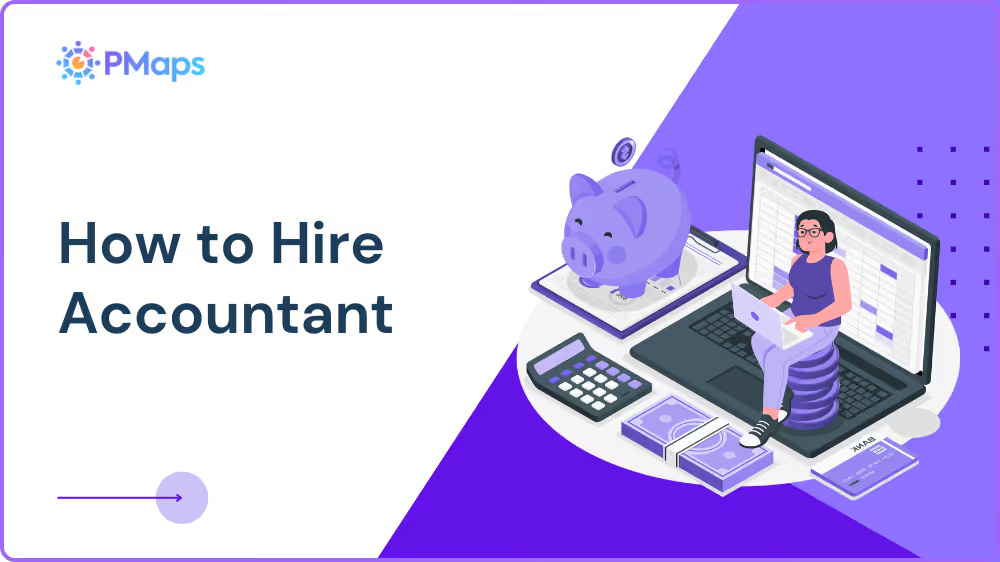
Hiring an accountant talent starts with deciding what you truly need: clean books, tighter cash flow control, or audit-ready compliance. The right accountant brings discipline to numbers, deadlines, and decisions especially when growth adds complexity. A structured process reduces costly errors and helps you build confidence in every financial report.
What is an Accountant?
An accountant maintains accurate financial records through bookkeeping, reconciliations, tax compliance, and reporting. In smaller firms, they often set up systems, manage monthly close, and improve cash-flow visibility. Hiring an accountant reduces costly errors, strengthens compliance, and gives leaders reliable numbers for decisions.
Quick tip: Post an accountant job description that reflects your tools, close cadence, and compliance needs.
Where to Find the Best Accountant Candidates?
If you’re mapping how to hire accountant talent, source where accuracy is audited, not just claimed. The best candidates usually come from ecosystems where close cycles, reconciliations, and compliance are routine. This is especially true when you’re figuring out how to hire an accountant for a small business, where one person often owns the full month-end story.
- Tap CA/CPA/ACCA communities and alumni groups where professionals share close checklists and compliance updates.
- Use QuickBooks ProAdvisor / Xero Advisor directories to find accountants already hands-on with SMB books.
- Source from audit and tax firms where candidates are trained to document, verify, and defend numbers.
- Explore finance shared services / GCC finance teams where high-volume reconciliations build discipline fast.
- Ask for referrals from your current auditor, tax consultant, or payroll vendor—they know who’s dependable.
How to Screen for Good Accountants?
When you’re deciding how to hire accountant talent, the screen should prove three things: accuracy habits, close-cycle discipline, and comfort with compliance. Strong accountants don’t just “know accounting”—they can explain variances, spot inconsistencies fast, and keep documentation audit-ready.
This matters even more in how to hire an accountant for small business, where one slip can distort cash visibility.
- Use AI Recruit to shortlist resumes showing month-end close ownership, reconciliations, and audit/tax support—not generic “accounts handled.”
- Add a short work sample: reconcile a bank statement, correct two journal entries, and explain a variance in plain language.
- Use AI video interviewing to test how they prioritise during close week, handle missing invoices, and push back on unsupported approvals.
- Finish with an HR validation call to confirm integrity, deadline habits, and the real reason behind job moves and gaps.
How to Assess Skills of Accountants?
Assessing an accountant is about verifying accuracy habits, close discipline, and compliance comfort rather than just “knowledge of Tally/QuickBooks.” A strong process shows how they treat missing documents, unclear expenses, and timeline pressure during the month-end.
This is central to selecting talent safely, and even more critical in how to hire an accountant for small business, where one person often owns the full financial story.
Pro Tip: Use an Accountant Test that combines reconciliation tasks, journal-entry logic, and compliance judgment for consistent scoring.
What Soft Skills are Important for Accountants?
Soft skills decide whether the accountant maintains control, communicates with clarity, and protects credibility across internal teams, leadership, auditors, and external stakeholders.
- Integrity in flagging unsupported entries, even when someone pushes for “just book it.”
- Communication that explains variances and action items without hiding behind accounting terms.
- Discipline in documenting decisions, approvals, and exceptions so audits don’t become firefights.
- Calm prioritisation during close week when invoices, payroll, and bank updates collide.
Hard Skills of Accountants that You Must Test
Hard skills confirm they can close books cleanly, produce reliable reports, follow accounting standards, and remain compliant with regulatory and audit requirements.
- Bank and ledger reconciliations that identify mismatches, duplicates, and timing differences correctly.
- Journal entry accuracy with clear narration, correct classification, and supporting evidence.
- Month-end close workflow: accruals, provisions, fixed assets, and balance sheet hygiene.
- GST/TDS/VAT or relevant local compliance knowledge, including filing hygiene and documentation readiness.
How to Interview an Accountant?
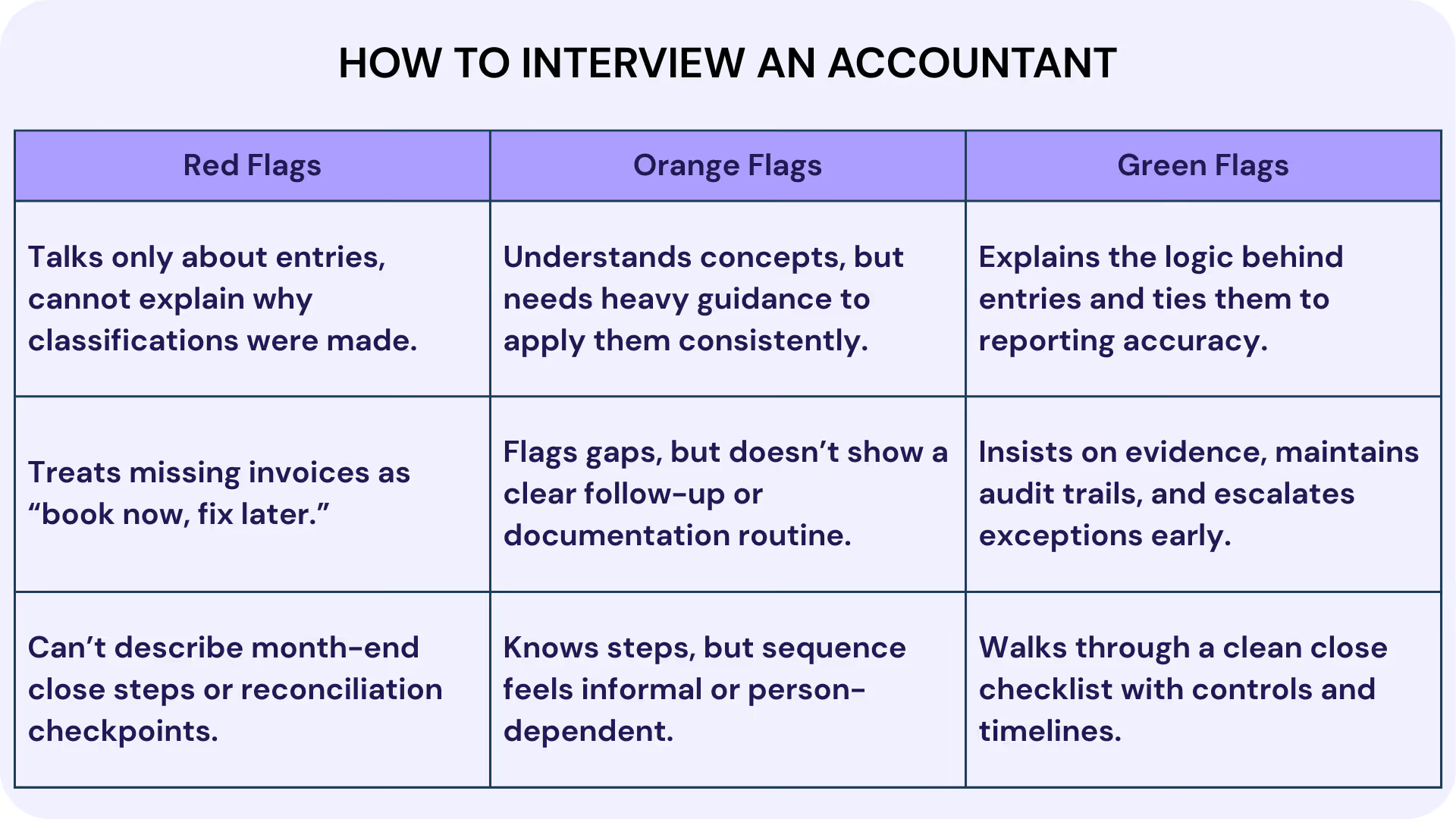
Interviewing is where you confirm whether an accountant is safe with your numbers under deadline pressure. Go beyond “tell me about your experience” and ask for their close routine, how they handle missing documentation, and how they correct errors without hiding them. This step strengthens the process of hiring an accountant by testing judgment, not just knowledge.
Bonus Resource: Use structured accountant interview questions to standardise scoring across hiring panels.
How Much Does an Accountant Cost?
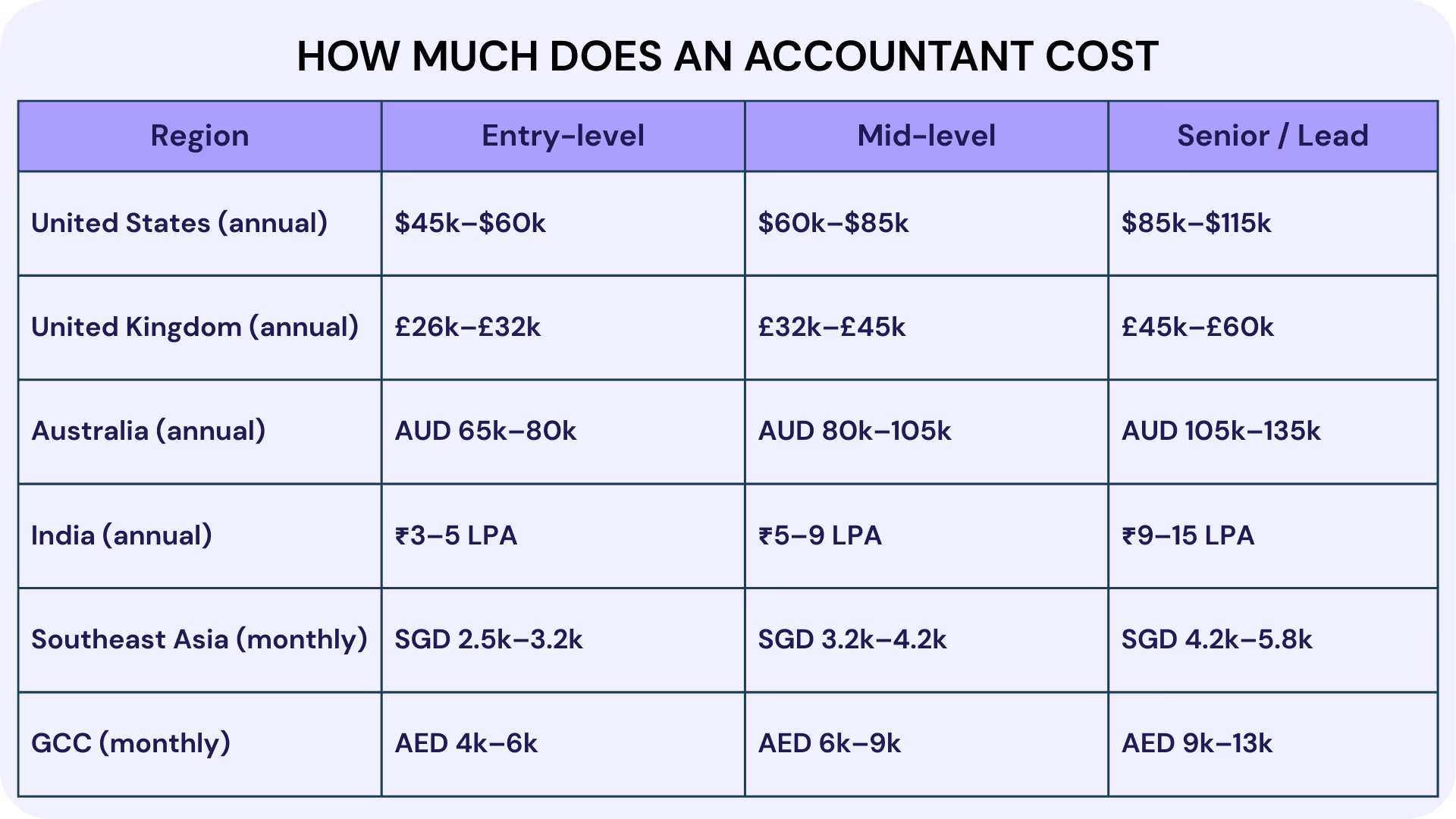
Cost depends on scope (bookkeeping vs full close), compliance workload, and whether you need payroll, audit support, or cash-flow forecasting. In how to hire an accountant for small business, many employers choose a part-time retainer first, then scale to full-time once transaction volume stabilises.
Conclusion
The most effective way to hire an accountant is to focus on accuracy, good record-keeping, and sound judgment at the end of each week. If you are still figuring out how to find the right accountant, especially for a small business, keep your screening process practical and based on clear policies.
Careful hiring helps avoid extra work, prevents compliance issues, and gives leaders a better view of their finances. For assessments that match real accounting tasks and compliance needs, contact PMaps at 8591320212 or assessment@pmaps.in to hire accountants with confidence.