
.webp)
.webp)

Compare top iMocha alternatives designed for accurate, scalable, and insightful hiring. This guide helps HR teams evaluate platforms that better support skill validation, analytics depth, and diverse role requirements


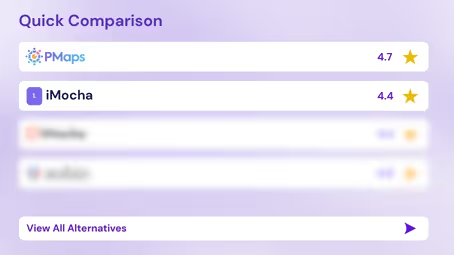
76% of companies now use skill-based assessments (LinkedIn 2023) to improve hiring accuracy, reduce screening time, and drive demand for AI scoring, simulations, and flexible role-based platforms.
iMocha is known for its vast skills library and AI-driven assessments. Yet organizations often explore alternatives that offer deeper behavioral insights, more flexible customization, or simpler workflows. This guide highlights platforms that strengthen evaluation accuracy, streamline hiring, and deliver a more adaptive, modern assessment experience across roles


PMaps delivers visual psychometric and skills assessments that reduce reading load and improve clarity for candidates across sales, service, and operational roles. Its image-based testing format increases engagement, shortens completion time, and helps recruiters evaluate cognitive ability, behavior, and job fit with higher accuracy. AI-driven scoring, multilingual delivery, and role-specific test architecture make PMaps a strong alternative for teams seeking modern, predictive, and candidate-friendly assessments.
Organizations choose PMaps for its high-engagement visual assessments, deeper behavioral intelligence, and predictive scoring. It is ideal for teams wanting faster completion rates, richer job-fit indicators, and a more candidate-friendly alternative to traditional text-heavy test formats.
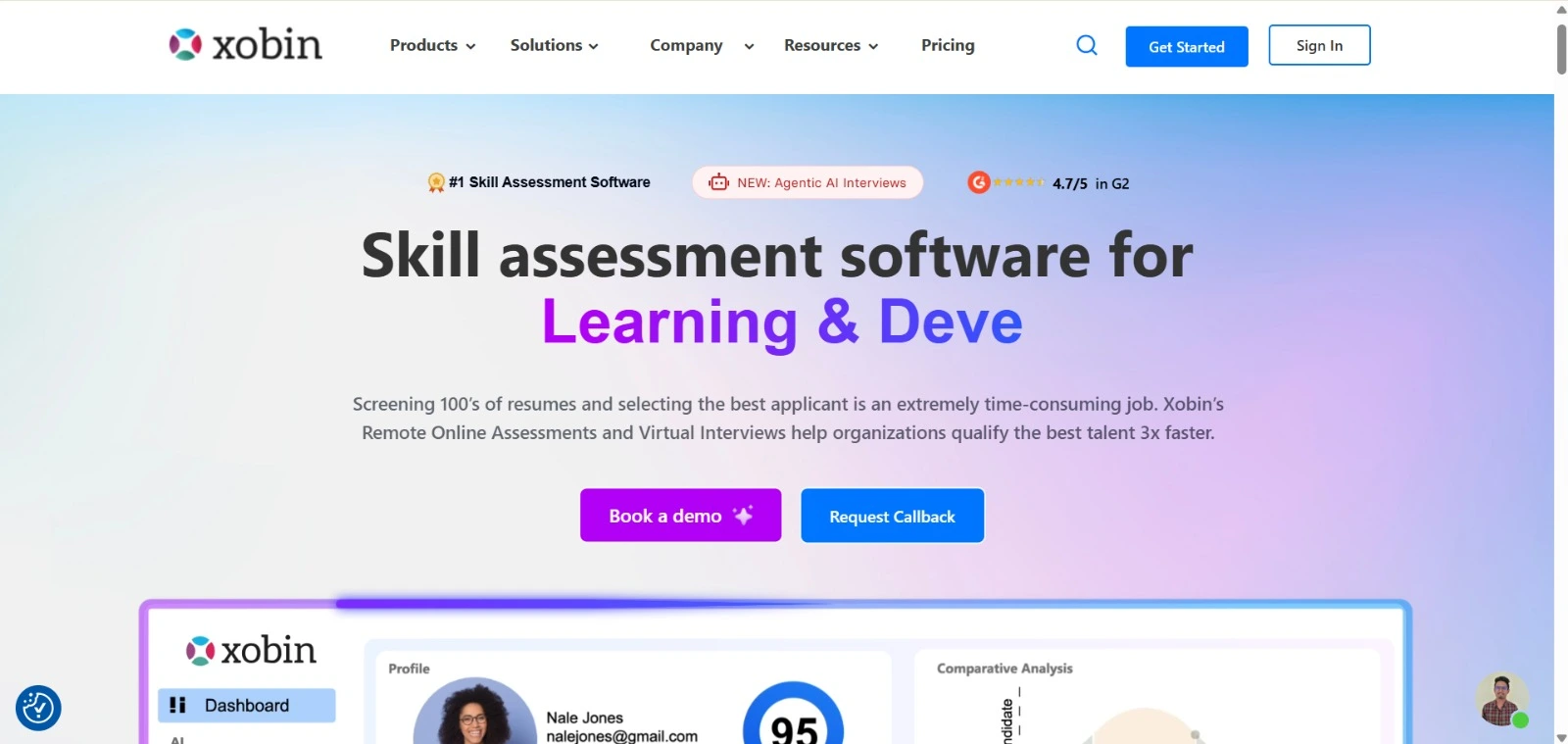
Xobin is an AI-powered talent assessment platform designed to help organizations hire faster and more accurately using skills-based evaluations. With 3,400+ skill-based and 2,500+ role-based assessments, AI-powered proctoring, coding simulators, and psychometric testing, Xobin enables companies to evaluate technical, cognitive, and behavioral capabilities on a single platform. Its advanced analytics, automated video interviews, and collaborative hiring tools allow distributed hiring teams to review candidates efficiently. The platform also integrates with major ATS and HR systems, making it suitable for high-volume recruitment, staffing agencies, and enterprises that require scalable and secure assessment-driven hiring workflows.
Organizations switch to Xobin for its AI-driven evaluation engine, extensive assessment library, and secure proctoring framework that support unbiased and scalable hiring. It is particularly suited for companies adopting skills-first recruitment strategies, enabling hiring teams to identify top talent through data-driven insights rather than resumes alone.
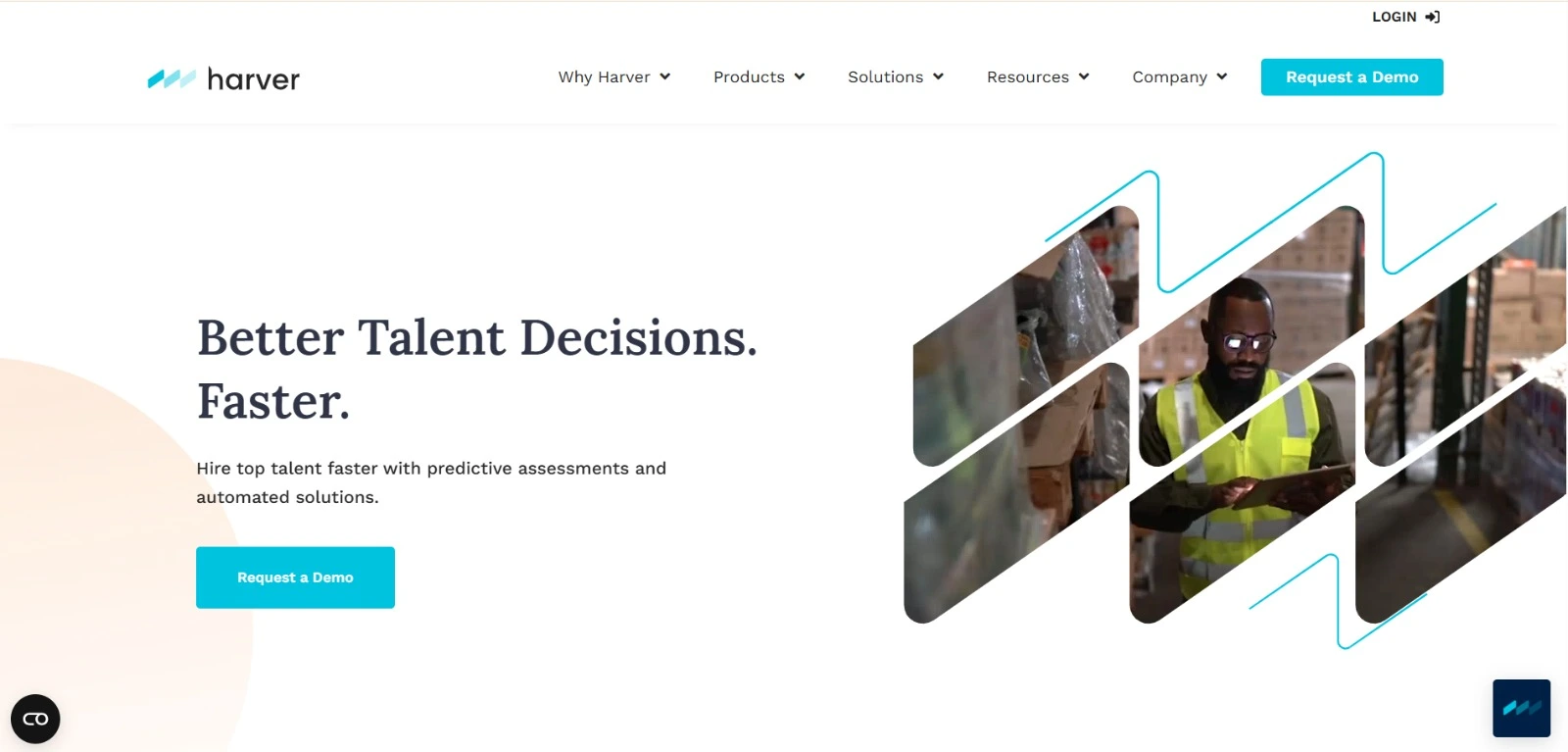
Harver is a high-volume hiring and talent decision platform that combines workflow automation, behavioral science assessments, and realistic job simulations. Built for frontline, operational, and multi-location roles, Harver helps organizations reduce bias, accelerate applicant movement, and maintain standardization across distributed teams. Its simulation-based tasks mirror actual job environments, offering deeper insight into candidate readiness than traditional knowledge-based tests or generic skills assessments
Organizations choose Harver for its high-volume efficiency, realistic job simulations, and automation-driven workflows. It's ideal for teams managing constant applicant flow across distributed sites who need consistent, scalable hiring processes with behavioral insight built in.
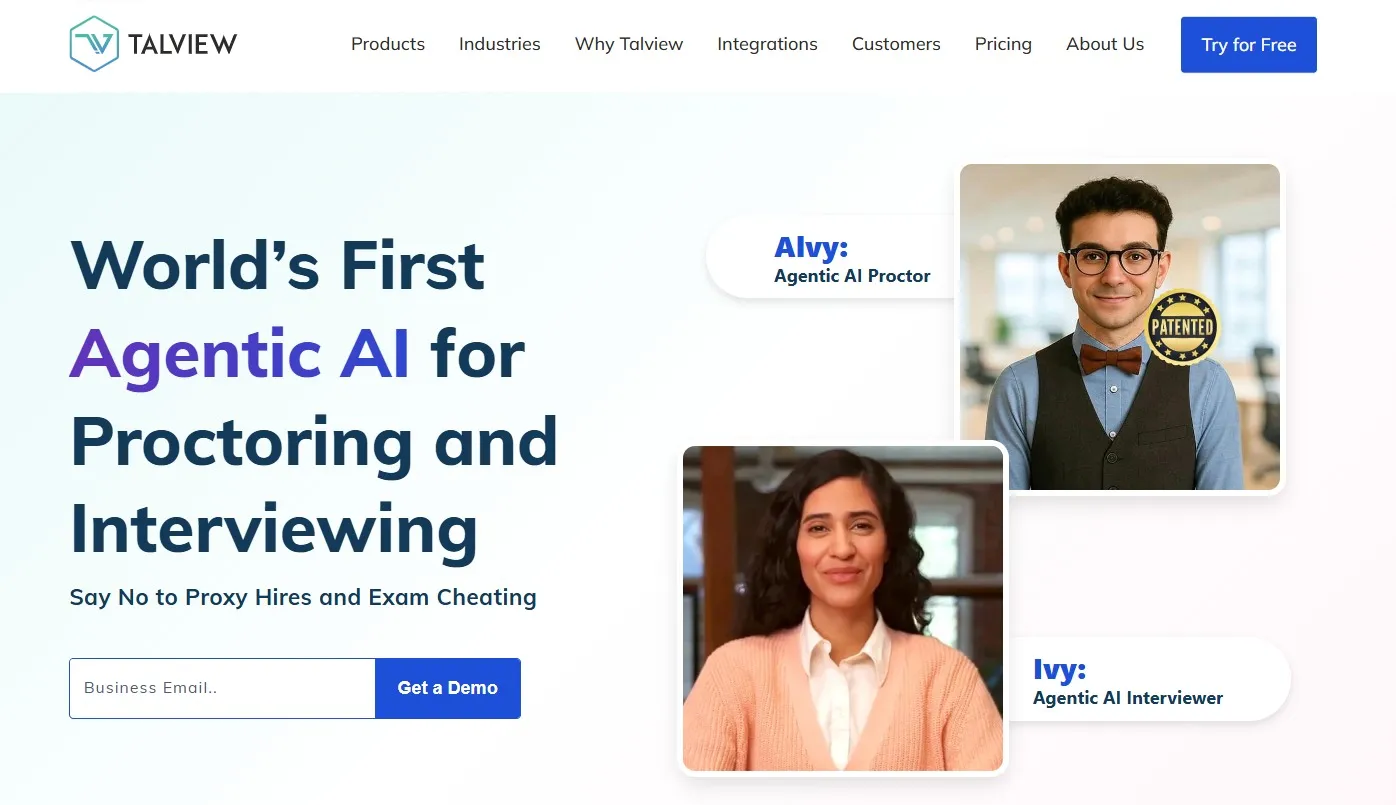
Talview is an AI-enabled hiring and proctoring platform designed to support end-to-end talent assessments, virtual interviews, and exam integrity. Built for organizations managing distributed hiring or certification workflows, Talview combines automation, behavioral insights, and secure testing controls. Its interview intelligence, proctoring systems, and structured workflows help recruiters evaluate candidates faster and more consistently, especially in environments where compliance, scalability, and quality-of-hire are critical.
Organizations choose Talview for its unified interviewing, assessment, and proctoring ecosystem. It offers stronger security, workflow automation, and interview intelligence, ideal for teams prioritizing compliant, scalable, and insight-rich evaluation processes.
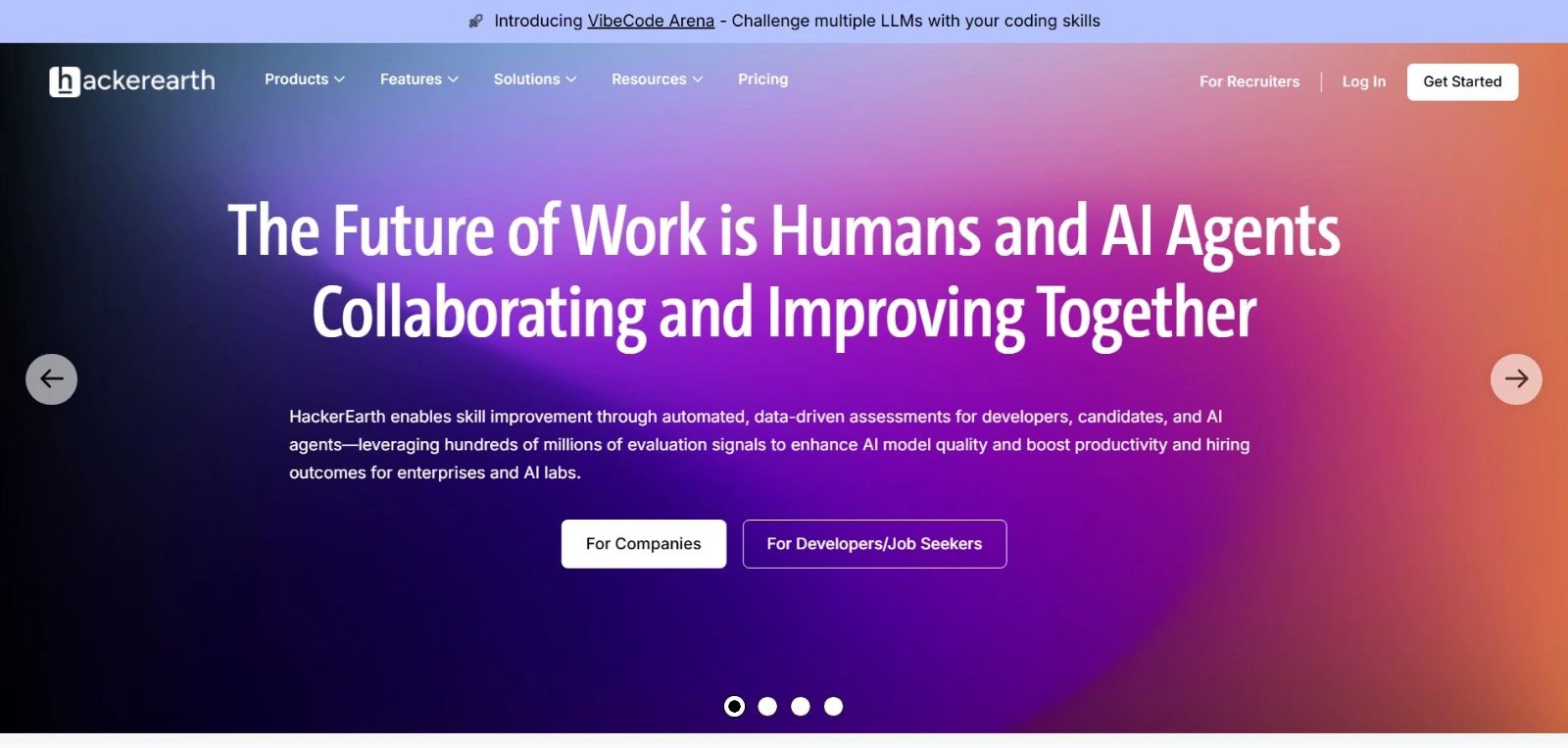
HackerRank is a globally recognized technical hiring platform used to evaluate engineering talent through practical coding challenges, real-world tasks, and structured technical interviews. Its developer-first environment replicates authentic programming workflows, helping teams measure logic, code quality, and problem-solving depth. With automated scoring, challenge libraries, and pair-programming tools, HackerRank supports consistent, scalable technical hiring for organizations that require rigorous, hands-on skill validation beyond standard knowledge or aptitude test formats.
Organizations choose HackerRank for its hands-on coding simulations, deep technical insight, and global skill benchmarks. It's ideal for teams wanting accurate, practical validation of engineering skills rather than generic or multiple-choice technical testing.

Equip delivers simple, job-focused skill assessments that help teams quickly identify qualified candidates. Combining adaptive testing, automated grading, and ready-made templates, it streamlines screening while keeping costs and setup effort low—making it well-suited for growing teams and smaller businesses.
Switch to Equip when you need straightforward, reliable assessments that save time and reduce complexity while maintaining hiring accuracy.
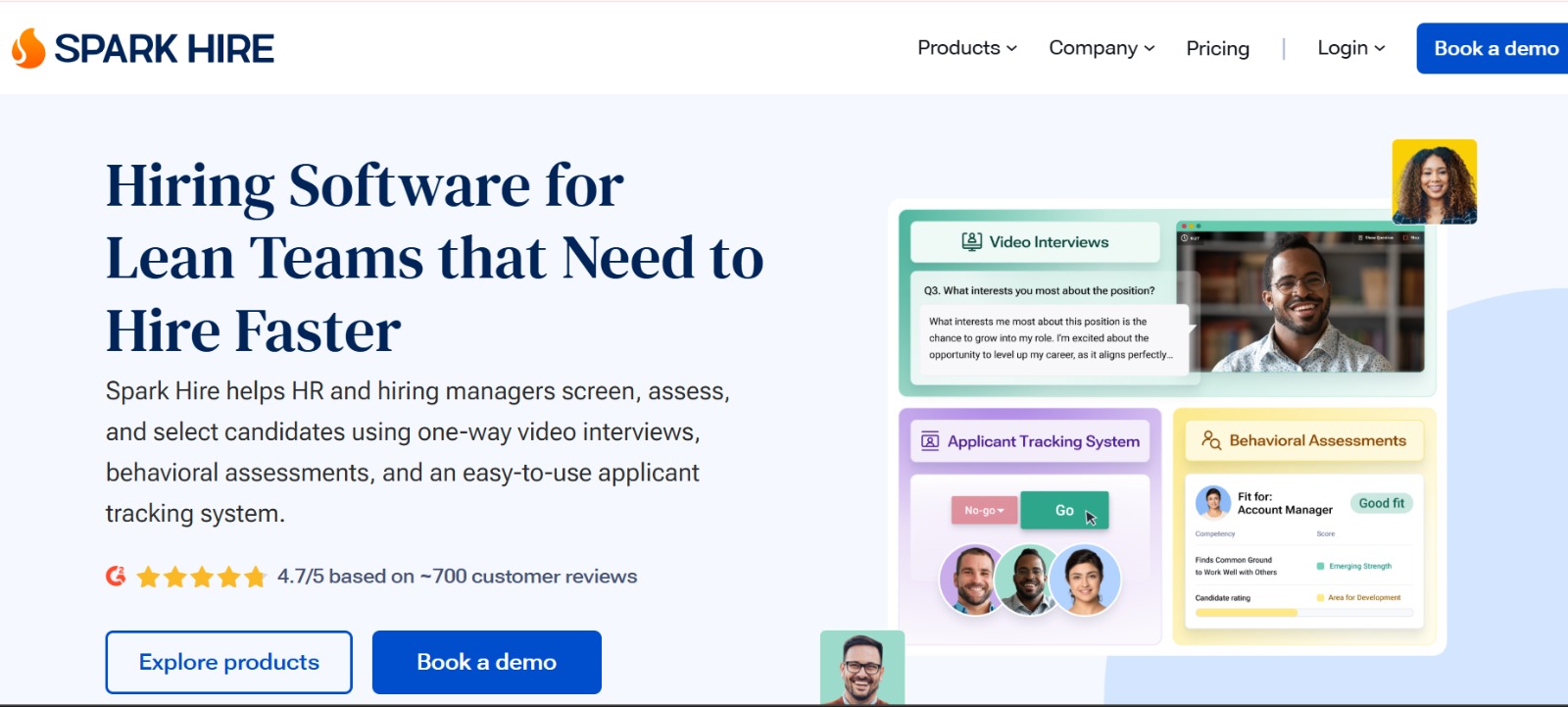
Spark Hire provides an asynchronous and live video interviewing environment built to reduce scheduling friction and accelerate first-round screening. Recruiters can review candidate videos on their own timeline, compare responses centrally, and involve hiring managers without adding extra coordination steps. The platform suits teams that want dependable interview structure, straightforward evaluation tools, and a scalable way to manage early conversations across high-volume or multi-location hiring needs.
Teams adopt Spark Hire when they need reliable video interviewing, simplified coordination, and consistent evaluation formats. It supports faster initial screening and provides a manageable structure for reviewing responses at scale.
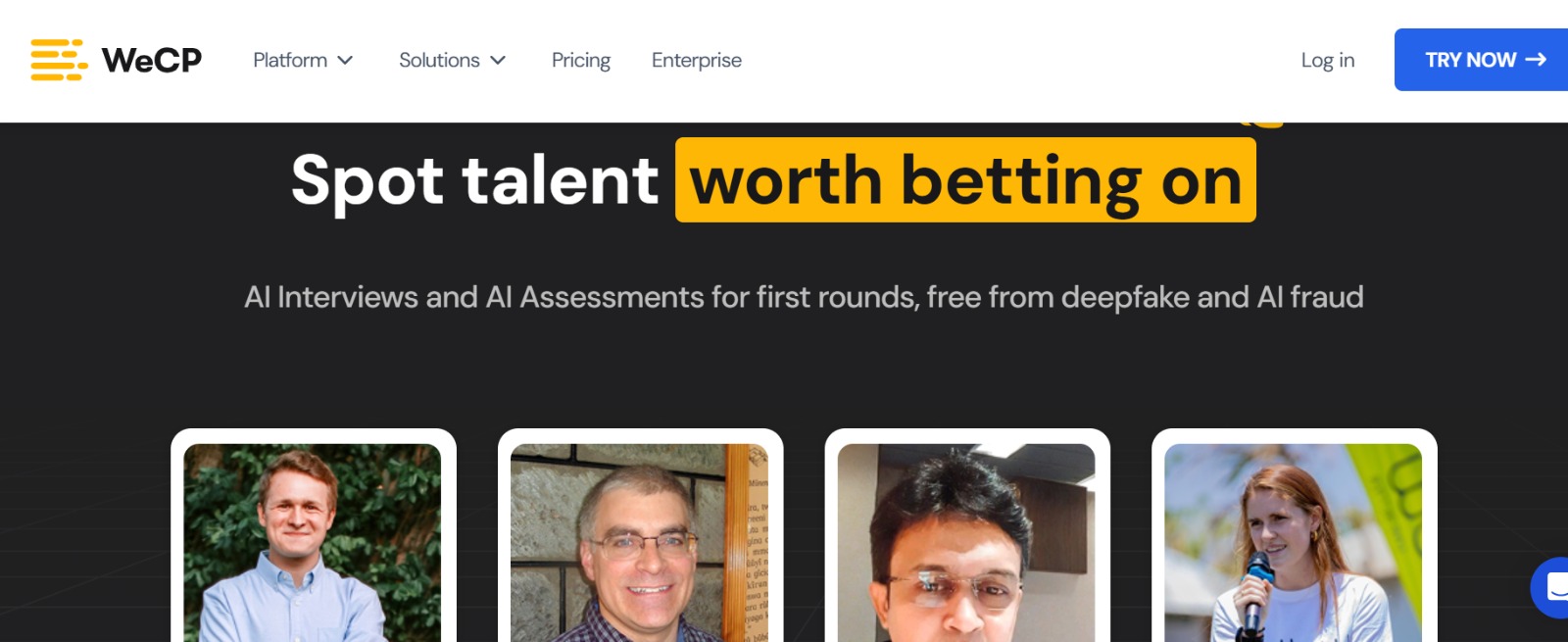
WeCP is a technical skills assessment platform built to measure real-world problem-solving across engineering, IT, and digital roles. Through practical coding challenges, system design exercises, and automated scoring, it evaluates hands-on competency rather than theoretical knowledge. With strong anti-cheating safeguards and structured workflows, WeCP enables teams to conduct accurate, scalable technical hiring while maintaining a seamless recruiter experience.
WeCP is ideal for organizations seeking precise, skills-based technical assessments with strong integrity controls and scalable automation—making it a dependable alternative to generic testing platforms.
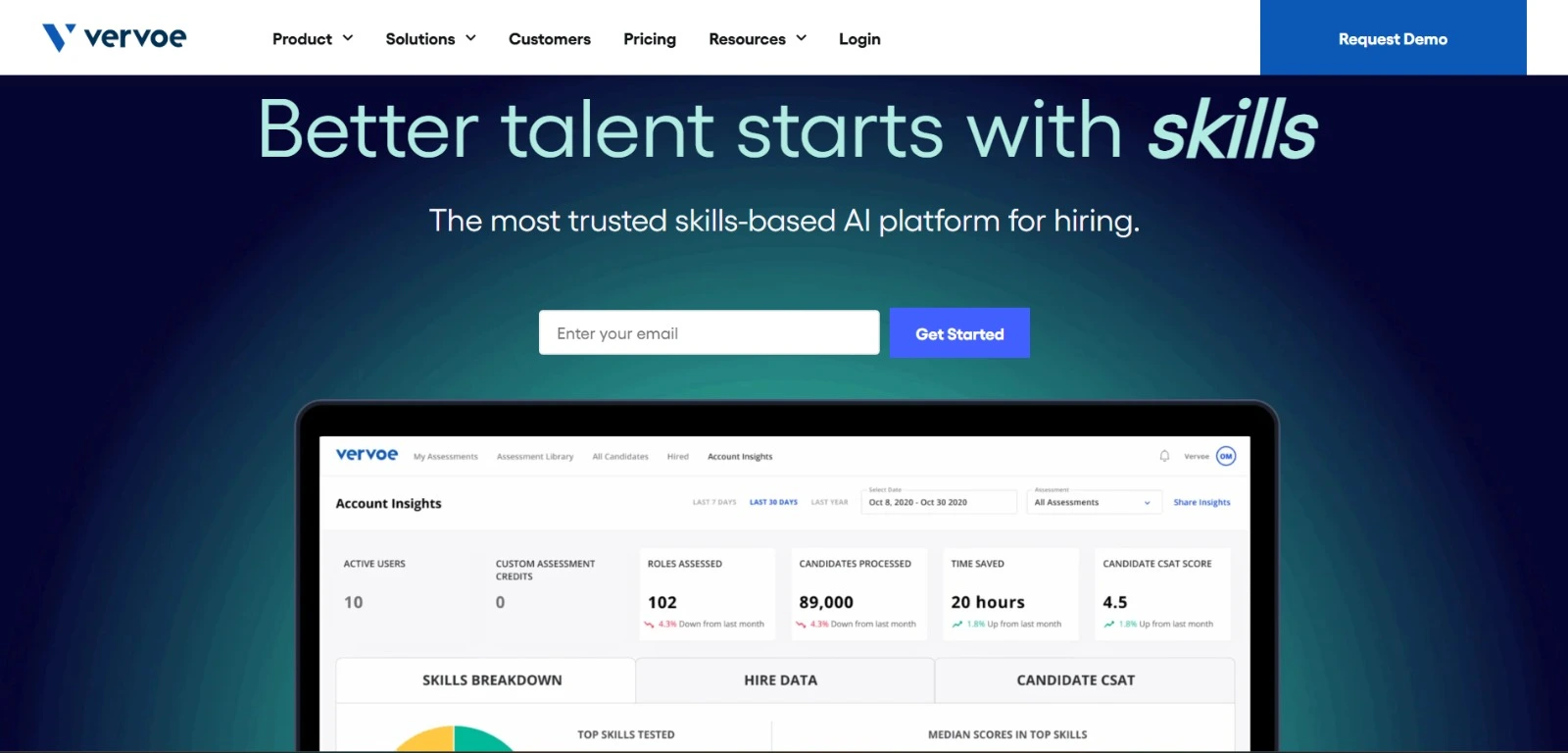
Vervoe evaluates candidates through immersive, task-based assessments that mirror the actual work environment. Instead of relying on structured questioning, it centers on observable performance, allowing hiring teams to see how applicants think, create, and respond within realistic scenarios. Its assessment builder supports interactive formats, making it suitable for roles where execution quality and practical judgment matter more than memorized knowledge.
Organizations choose Vervoe for its performance-first assessments, immersive simulations, and strong candidate engagement. It's ideal for teams that want to evaluate real-world ability rather than rely on static or knowledge-based tests.
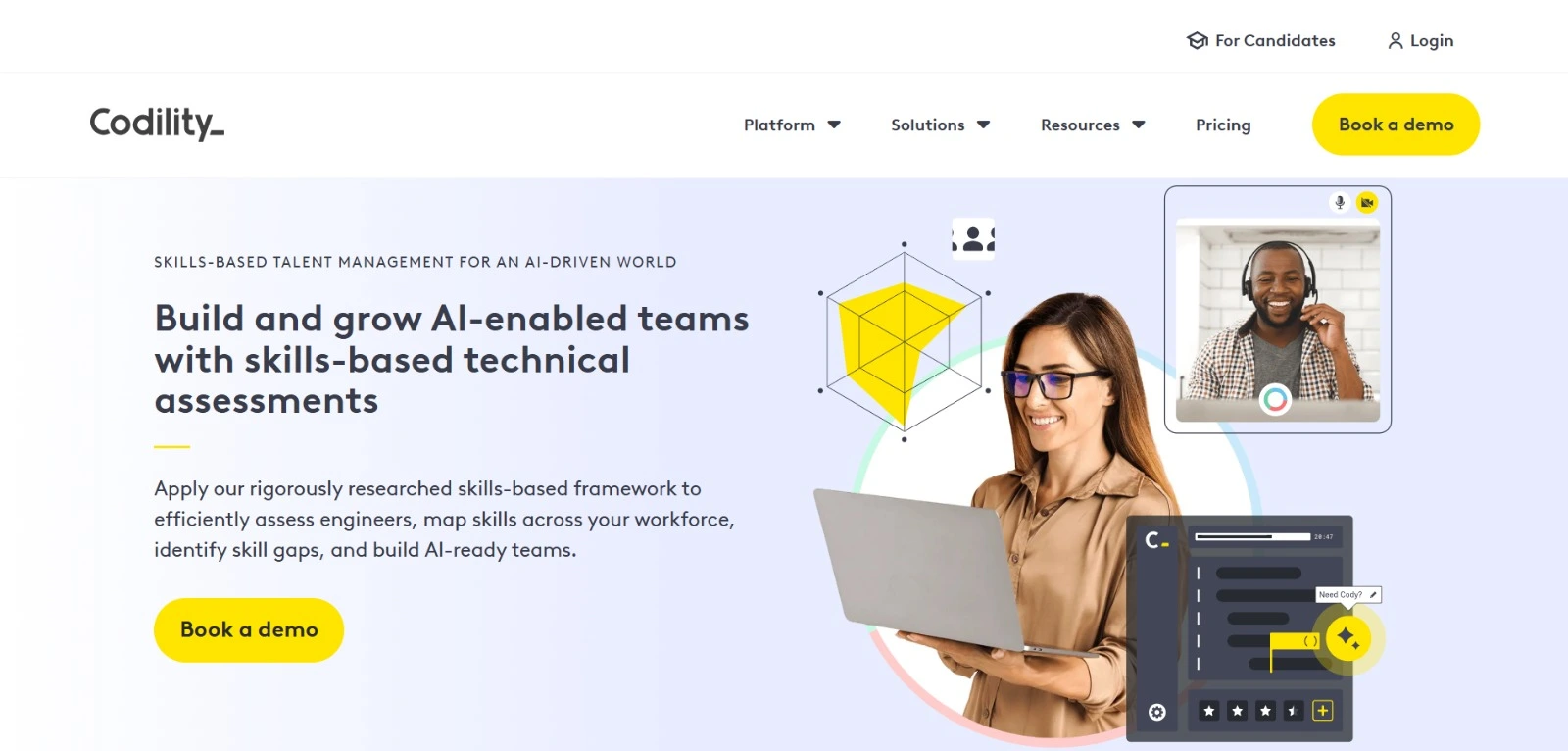
Codility specializes in evaluating engineering talent through coding tasks that resemble real software development work. Its platform focuses on how candidates structure solutions, handle complexity, and apply engineering logic under practical constraints. Instead of relying on theoretical tests, Codility emphasizes authentic problem-solving sessions, enabling teams to assess coding approach, quality, and efficiency in controlled technical environments designed for scalable engineering evaluation.
Organizations choose Codility for its authentic coding simulations, secure test environment, and enterprise reliability. It's ideal for engineering teams that require accurate, hands-on skill validation and a consistent, scalable method for evaluating developers across regions.
Choosing the right iMocha alternative begins with clarifying your skill evaluation needs—technical depth, behavioral insights, scalability, and customization levels. Compare platforms on analytics strength, pricing transparency, test library relevance, and integration support. Select the solution that enhances prediction accuracy, accelerates decision-making, and aligns with long-term talent goals.

Clarify whether your enterprise requires technical assessments, behavioral evaluations, or a full-scale skills intelligence suite. Map these needs to role families, industry regulations, and internal competency frameworks to ensure long-term alignment and comparability across business units

High-volume hiring requires automated scheduling, robust proctoring, and batch-processing capabilities. Lower-volume, specialized hiring may demand deeper customization, tailored workflows, and rich psychometric insights. Match platform capabilities to both current and projected hiring patterns.

Compare subscription plans, per-assessment pricing, and enterprise licensing. Look for hidden costs such as onboarding fees, consulting, integrations, and premium support. Enterprises often benefit from predictable pricing that scales with usage without compromising feature access.

Ensure the platform integrates natively with your ATS, HRIS, CRM, and communication tools. Strong API access and pre-built connectors reduce implementation timelines, maintain data accuracy, and support unified reporting across your hiring ecosystem

Review SOC 2, ISO, GDPR, and data residency coverage. Enterprises must ensure assessment data remains secure and compliant across regions. Evaluate proctoring controls and confirm they balance security with a fair, non-invasive candidate experience.

Look for predictive analytics, bias detection, and benchmarking capabilities—not just raw test scores. Enterprise teams need dashboards that reveal hiring patterns, skill gaps, job-fit predictions, and process bottlenecks to support continuous improvement.
iMocha offers extensive skills assessments, but exploring alternatives helps teams find platforms better suited to their workflow, budget, and evaluation depth. Compare options on pricing, analytics capability, customization, and integration needs. The right alternative should improve prediction accuracy, streamline hiring, and support evolving talent strategies across roles.
Start by identifying your evaluation needs—technical depth, behavioral insight, scalability, and reporting expectations. Compare platforms on pricing, role coverage, analytics strength, and integration capabilities to ensure alignment with your organization’s hiring strategy.
Yes. Several alternatives provide enhanced behavioral science, visual psychometrics, or job-fit prediction models that deliver deeper insight into personality, cognitive traits, and long-term role alignment—areas where traditional skills assessments may be limited.
Pricing matters because vendors differ in candidate limits, feature access, and reporting depth. Assess not just subscription cost but also scalability, test volume, and value-driven features to ensure the solution fits your hiring demand and budget.
Platforms like Harver, Xobin, and TestGorilla offer automation, candidate ranking, and strong proctoring, making them suitable for high-volume or multi-location hiring where consistency, speed, and operational efficiency are priorities.
Most modern assessment platforms support ATS integrations or open APIs. Ensuring compatibility early helps maintain a seamless hiring pipeline, reduce manual workload, and centralize candidate data for smoother decision-making.
Yes. HackerRank and Codility offer deeper technical evaluation through coding simulations, pair-programming interviews, and global skill benchmarks, providing a more comprehensive picture of engineering capability than general-purpose test libraries.

Need support? Fill out the form and we'll get back to you shortly.
